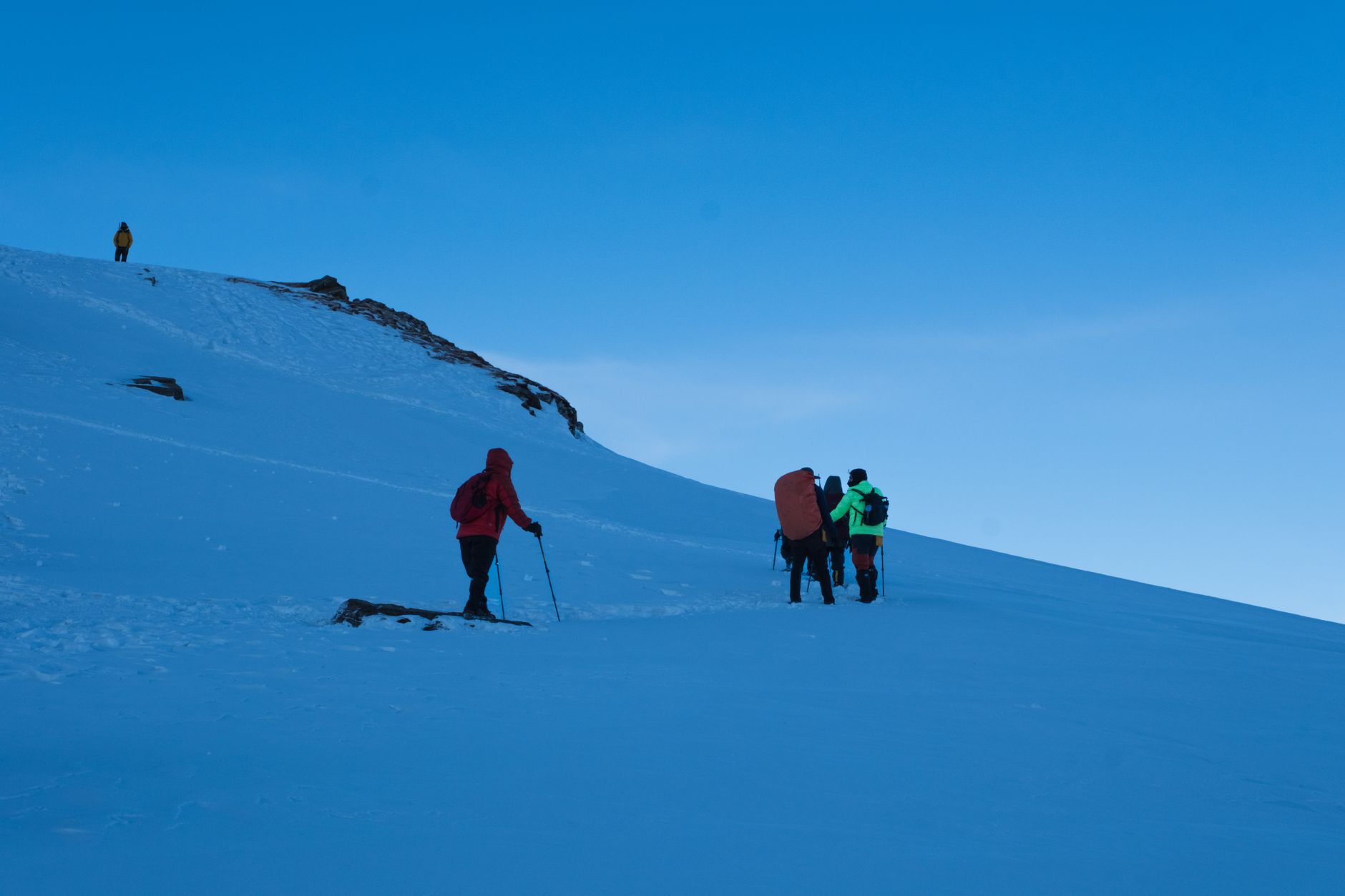
Climbing Kilimanjaro is not a technical climb, but it is a long walk at altitude. Route choice decides how much of that walk your body can enjoy. This kilimanjaro trek route comparison is written with active retirees in mind. It weighs acclimatization time, daily walking load, sleeping comfort, steep terrain, emergency flexibility and recovery. The seven steps below will help you choose a route that fits your pace, not just your calendar.
The Kilimanjaro Trek Route Comparison at a Glance
Most older trekkers should compare five main routes. The table uses common time ranges because operators shape itineraries differently.
| Route | Common time on mountain | Accommodation | Key trade-off |
|---|---|---|---|
| Lemosho | 7 or 8 days | Camping | Strong mix of views and acclimatization, higher cost |
| Northern Circuit | 8 or 9 days | Camping | Slowest pace, remote northern side, needs extra leave |
| Machame | 6 or 7 days | Camping | Scenic southern route, but can be crowded |
| Rongai | 6 or 7 days | Camping | Quiet northern start near Kenya, drier feel |
| Marangu | 5 to 7 days | Huts | Roof and beds, but shorter schedules reduce acclimatization |
Cost is not in the table because it changes with season, group size and operator. Each extra day raises the price because park fees, meals, tents and crew wages repeat. A longer route may look expensive, but it is often the cheaper route in terms of summit success and recovery.
Step 1: Why Does Acclimatization Come First?
Altitude, not steepness, ends most summit attempts. You need at least 7 days on the mountain. An 8 or 9 day route is even better, because it repeats the pattern of climbing high and sleeping lower. That extra day is one of the best ways to protect your summit chances.
Before you compare photos or prices, use days on the mountain as the first column in any kilimanjaro trek route comparison. A 5-day Marangu schedule or a compressed 6-day Machame plan can feel efficient on paper, but the margin for error is thinner.
Step 2: Which Kilimanjaro Route Has the Highest Success Rate?
The Northern Circuit generally has the strongest summit prospects because a 9-day itinerary allows more gradual acclimatization. An 8-day Lemosho is the best shorter alternative. Published percentages vary by operator, so treat them as a comparison, not a guarantee. Fitness, pacing, altitude response and guide quality remain decisive.
When you look at success-rate claims, ask how the company counts. Some counts ignore trekkers who turn around before summit night. Others include only clients who attempt the final climb. A route with extra days and a rested summit team usually beats a route with a big marketing number and no rest.
Step 3: Is Lemosho or Machame Better for You?
Choose Lemosho for a longer, more gradual approach with broad western scenery and fewer early crowds. Choose 7-day Machame only if your schedule demands a shorter, more popular camping route. Lemosho usually costs more, while Machame can feel busier, especially during peak trekking months.
For a healthy retiree, Lemosho in 8 days is often worth the cost. You gain a slower start, a wider variety of landscapes and more time to judge how your body handles altitude before the final push. If you have only 7 days, choose the 7-day Machame plan rather than a faster 6-day version.
Step 4: Is Marangu or Rongai Better?
Marangu is the route to pick if hut sleeping matters more than quiet trails. Rongai is generally better for a drier, more solitary northern approach. Marangu’s shorter schedules give less acclimatization and can be crowded, while Rongai’s scenery is less varied.
Rongai also has a practical advantage if you are arriving from Kenya. Its trailhead sits on the northern side, near the Kenya border. That can shorten one transfer, depending on current road conditions and gate access. Confirm the details with your operator before treating convenience as a deciding factor.
Step 5: Is the Northern Circuit Worth the Extra Days?
The Northern Circuit is worth the extra days if you value a slower pace, fewer crowds and more time to adjust. That matters more than price and holiday length for some hikers. It is not automatically easy. The trek remains long, camping based and physically demanding, and summit night is still tough.
The route combines Lemosho’s western views with a rarely used northern side before joining the normal descent. If you can take 10 nights away, it gives a comfortable rhythm for many older hikers. If you only have 8 nights, choose 8-day Lemosho instead of extending a shorter route.
Step 6: What Should You Expect on Summit Night?
Summit night usually means walking slowly in darkness on loose volcanic terrain in freezing wind, reaching Uhuru Peak, then descending to a lower, warmer camp. Train with hill walks and stairs, wear layers, use trekking poles and drink often. Technical climbing skills are not normally required on established routes.
Ask your guide to set the pace from the back, not the front. Describe any knee or hip issues before the climb. Many qualified teams can shorten the descent or adjust the route order if you show signs of trouble. A route that allows an extra night below the summit makes that flexibility easier.
Step 7: How Do You Plan Recovery and a Safari Extension?
After the summit, plan at least one full day at lower altitude before any long drive or safari. The Kenya-Tanzania border crossing eats a day, and your legs need recovery time after several days of walking. A slow afternoon at a lodge, not another early game drive, is the best first reward.
For a low effort add-on in Kenya, compare Ol Pejeta versus Lake Nakuru after your trek. Both offer rhino and big game without the pressure of a long Masai Mara drive. If you prefer Tanzania, our Ngorongoro rim versus crater safari stay explains the difference in comfort and wildlife time. Before budgeting for both countries, check Kenya and Tanzania safari park fees.
Compare Operators and Browse Packages
The route is only one layer of a safe Kilimanjaro trek. An experienced operator will adjust pacing, add rest days, confirm medical and evacuation support, and match a Kenya or Tanzania itinerary to your needs. Compare safari operators and browse packages at FindMySafari, Valley Safaris, or Trunktrails Safaris to start the conversation with vetted companies.
More safari planning resources
- Amboseli map and guide from SafariPure
- Ol Pejeta Conservancy guide from Trunktrails Safaris
- Nairobi to Maasai Mara route guide from Valley Safaris
- Compare Kenya safari packages on FindMySafari